


Tire Rotation
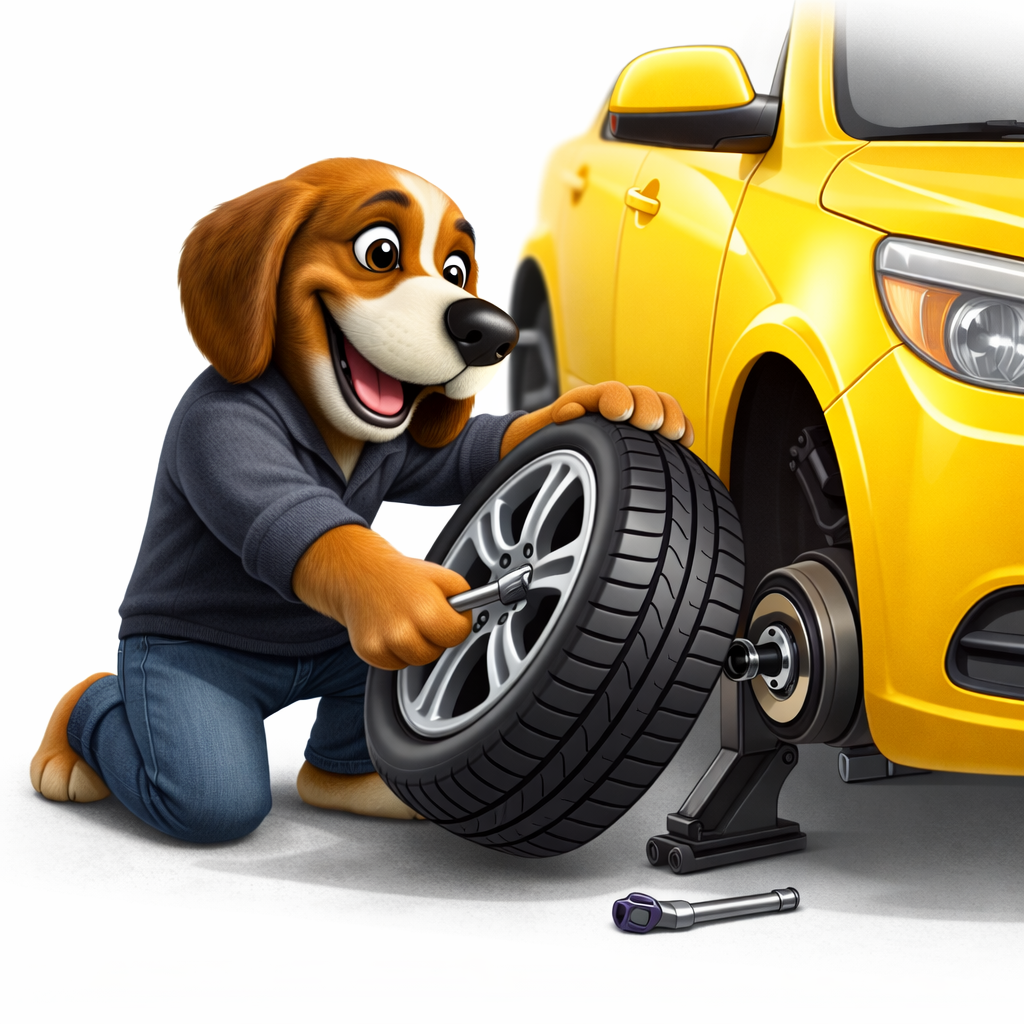
When? 7,500
Regular tire rotation is one of the most effective ways to protect your investment in a high-quality set of tires. By moving tires to different positions on your vehicle, you ensure that the tread wears down evenly, which directly impacts your safety, fuel economy, and wallet.
When? Every corner of your vehicle interacts with the road differently. The front tires typically handle the majority of steering and braking forces, while the rear tires provide stability and handle a different load distribution.
If a tire is left in one position too long, it develops “wear patterns” specific to that spot. Common issues include:
Feathering: Caused by incorrect toe-in alignment settings.
Cupping: Often a sign of worn suspension or steering components.
Camber Wear: Accelerated wear on the inner or outer edge due to a misaligned suspension.
Why? Maximize Lifespan: Regular rotations can nearly double the life of a tire set. Without them, you may find yourself replacing the front pair twice as often as the rears.
Maintain Traction: Even tread across all four wheels ensures consistent grip on wet or icy roads, reducing the risk of hydroplaning.
Boost Efficiency: Unevenly worn tires create higher rolling resistance, forcing your engine to work harder and lowering your gas mileage.
Prevent Vibrations: Skipping rotations leads to “out-of-round” wear that causes annoying (and potentially damaging) vibrations through the steering wheel.
